Siding Contractor in Decatur, GA Who Protects Your Home's Character
Decatur gets about 50 inches of rain a year, and most of it hits walls sideways during summer thunderstorms. Add 70°F dew points, a dense oak-and-pine canopy that keeps walls from drying, and red clay that splashes onto the bottom courses, and you get siding that rots from the inside out. Often the outside still looks fine. Trusted Decatur Siding & Exterior Specialists finds that hidden damage, fixes the cause, and installs fiber cement, Hardie board, cedar, or restored wood siding detailed for Georgia's wet Piedmont climate.
We know the housing here, from 1920s Craftsman bungalows in Oakhurst and the MAK Historic District to Tudor Revival cottages in Avondale Estates and 1980s hardboard homes out toward Tucker. Original heart-pine lap siding, wide window trim, and exposed rafter tails get careful repair, not a blanket of vinyl. You'll get honest recommendations and clear written pricing, and our crew will protect your gardens and porch while we work. We also serve Druid Hills, Scottdale, and Clarkston.
- ✓Bonded
- ✓Fully insured
- ✓Financing available
- ✓Serving homes within 20 miles of Decatur
- ✓Clear, itemized written pricing
- ✓Crews that protect gardens, porches, and landscaping
- ✓Exterior painting and gutter replacement can be added
Request Your Free Estimate
No obligation. Fast, honest quotes.
Thank you — your request was sent!
A member of the Trusted Decatur Siding & Exterior Specialists team will reach out shortly. Need help now? Call (470) 570-5512.
Why Decatur Homes Need a Siding Contractor Who Knows the Piedmont
Siding in Decatur fails differently than it does in Phoenix or Minneapolis. Our mix of heavy rain, long humid summers, termite-heavy clay soil, and century-old housing means the right material and details matter more than the color chart. Here's what we're working against.
Climate: Wet, Humid, Shaded, and Stormy
Decatur sits around 1,000 feet up on the Piedmont, in a humid subtropical climate with roughly 50 inches of rain spread across every month. There's no dry season to let walls recover. July and August highs run near 90°F, and dew points around 70°F keep wall cavities damp for weeks at a time. North-facing and tree-shaded walls grow green algae and black mildew fast, and wood trim and fascia rot sooner than you'd expect. Afternoon thunderstorms push rain behind failed caulk and reversed flashing. Spring storms bring hail, straight-line wind, and falling oak limbs, and EF-1 tornado tracks have crossed DeKalb. Winter freeze-thaw nights open seams and crack old paint. Red clay splashback stains the lower courses orange and holds moisture against the sill plate. Termite pressure here is among the highest in the country.
Built Environment: A Century of Siding Problems
Every era of Decatur housing fails in its own way. Bungalows and Foursquares from the 1900s–1930s in Winnona Park, Ponce de Leon Court, and the MAK district have old-growth heart-pine or cypress lap siding that's often been buried under asbestos shingles, aluminum, or vinyl that hides rot. The 1940s–50s cottages in Medlock Park, Scottdale, and Belvedere Park commonly carry asbestos-cement shingles. The 1960s–70s brick ranches in North Druid Hills and Tucker have rotting T1-11 gables, soffits, and fascia. The 1980s–90s subdivisions around Stone Mountain used Masonite and LP hardboard, which is now swelling and delaminating. Even the first fiber-cement infill homes in Oakhurst are 15–25 years old, and some are showing flashing and caulk failures.
Regulations, Historic Review, and HOAs
Georgia follows the International Residential Code with state amendments. That code requires a water-resistive barrier, flashing at windows and roof-wall intersections (including kick-out flashing), proper clearance between siding and grade, and fastening rated for local wind speeds. Residential jobs over $2,500 require a state-licensed contractor. In Decatur's local historic districts (MAK, Ponce de Leon Court, South Candler/Agnes Scott, and Clairemont Avenue), changing exterior materials requires a Certificate of Appropriateness. The commission generally prefers repairing original wood over switching to vinyl. Druid Hills and Avondale Estates have their own design review. Homes built before 1978 fall under the EPA's lead-safe RRP rule, and asbestos siding removal falls under Georgia EPD rules. HOAs in Brookhaven, Chamblee, and Sandy Springs often dictate siding profile and color.
Who We Serve
Decatur homeowners do their homework. Many are Emory, CDC, and healthcare professionals or young families who chose the City Schools of Decatur, and they expect detailed written estimates, historically sensitive work, and materials that last. Elsewhere, longtime owners in Candler-McAfee, Panthersville, and Stone Mountain are facing their first full replacement of original or 1980s siding. They need durable materials, help with storm and insurance claims, and financing. Landlords in Clarkston and investors in East Point and Hapeville need cost-effective recladding that holds up to tenants and time. We adjust each recommendation to the house and the owner's goals instead of pushing one product on everyone.
Common Siding Problems We Find in Decatur-Area Homes
Most of the siding failures we see trace back to the same local causes: wind-driven rain, constant humidity, clay splashback, termites, and products that weren't made for this climate. Here's what to watch for, how serious each problem is, and how we usually fix it.
Termite and Wood-Boring Pest Damage Serious
Eastern subterranean termites, along with Formosan termites in metro Atlanta, eat hidden wood behind siding and trim. Carpenter bees bore into cedar fascia and trim, and woodpeckers dig into wood siding after the insects.
Why it's common hereGeorgia has some of the highest termite pressure in the U.S. The damp clay soil here gives subterranean colonies ideal conditions, and siding or trim installed below code clearance gives them a hidden path straight into the sill plate. Mature tree canopy and mulch beds piled against the foundation make it worse. Untreated cedar and pine trim on older homes draw carpenter bees every spring, and woodpeckers follow the larvae.
Signs you'll notice- Mud tubes on foundation walls or behind siding
- Hollow-sounding trim or siding
- Perfectly round 1/2-inch holes in fascia or trim
- Sawdust piles under eaves in spring
- Woodpecker holes in cedar siding
- Swarmers or discarded wings near windows
Common on crawlspace homes across Decatur, Druid Hills, and East Lake, and on cedar-trimmed homes in Tucker and North Druid Hills. Spring swarms in March and April often reveal damage behind siding.
Our fix: Remove damaged siding and framing, coordinate with your pest control provider, restore clearance above grade, and switch to fiber cement or treated components where it makes sense.
Swelling and Rotting Hardboard Siding (Masonite/LP) Serious
Composite hardboard siding from the 1980s and '90s, including Masonite and LP Inner-Seal, absorbs water at the cut edges and nail holes. It then swells, delaminates, grows mushrooms, and crumbles at the drip edge and butt joints.
Why it's common hereThese products were the subject of class-action lawsuits because they couldn't handle sustained moisture, and metro Atlanta has plenty. Wind-driven summer rain soaks the bottom edges, high humidity keeps them from drying, and freeze-thaw cycles break the paint film open. After 30-plus years, much of the hardboard in unincorporated DeKalb has reached the point where spot repairs only buy a season or two.
Signs you'll notice- Swollen, flared bottom edges on lap boards
- Waffle-pattern bumps showing through the paint
- Soft spots that dent under a thumbnail
- Fungus or mushrooms growing from seams
- Paint that won't stick no matter how often it's repainted
- Butt joints that have opened or crumbled
Concentrated in 1980s–90s subdivisions in Stone Mountain, Tucker, and unincorporated DeKalb, often worst on garage walls and elevations facing the backyard tree line.
Our fix: Full replacement with fiber cement or engineered wood over a new WRB, with sheathing repair as needed. Patching failed hardboard rarely holds up.
Asbestos-Cement Shingle Siding Moderate
Rigid cement shingles made with asbestos fibers, common on mid-century houses. Intact shingles are relatively stable, but cracked, broken, or badly removed shingles can release fibers, and their removal is regulated.
Why it's common hereAsbestos-cement shingles were the go-to cladding for affordable postwar housing around Decatur. Seventy-plus years of freeze-thaw nights, settling clay foundations, and storm impacts have cracked many of them. Owners have to choose between properly regulated removal and replacement or covering the shingles, and each option affects cost, permits, and resale. Georgia EPD and federal rules govern how the shingles come off and where they're disposed of.
Signs you'll notice- Brittle, gray-white shingles with a wavy or striated face
- Cracked or broken corners
- Missing shingles after storms
- Shingles that are chalky to the touch
- Original shingles visible beneath newer vinyl
Very common on 1940s–50s cottages and early ranches in Medlock Park, Belvedere Park, Scottdale, Chamblee, Doraville, and East Point, and sometimes found under later vinyl on Oakhurst bungalows.
Our fix: Assess condition, explain the options and costs, and handle regulated removal, disposal, and new siding to code when replacement is the right call.
Storm and Hail Damage Emergency
Sudden damage from hail, straight-line wind, and falling limbs. It includes cracked or blown-off vinyl, dented aluminum, punctured fiber cement, and torn soffits that let water and animals into the wall and attic.
Why it's common hereSpring and summer storms in metro Atlanta bring damaging hail and wind, and tornadoes have hit, including the March 2008 downtown tornado and several EF-1 tracks in DeKalb. Decatur's tall oaks and tulip poplars drop heavy limbs. Older vinyl gets brittle in cold snaps and shatters easily. After a big storm, out-of-state storm chasers move in, so homeowners need a local, accountable firm.
Signs you'll notice- Cracked or holed vinyl panels
- Dented aluminum siding or trim
- Panels missing or flapping after wind
- Torn or hanging soffit
- Impact chips on fiber cement
- New leaks inside after a storm
We see it after spring storm lines across Candler-McAfee, Panthersville, Stone Mountain, and Belvedere Park, and from falling oaks on canopy-heavy streets in Druid Hills and Midway Woods.
Our fix: Emergency dry-in, photo-documented damage assessment for your insurer, then repair or replacement matched to the existing siding or the whole elevation.
Rotted Soffit, Fascia, and Gable Ends Moderate
Rot in the roofline wood (fascia boards, soffit panels, and gable siding), usually caused by gutter overflow, missing drip edge, or old plywood and T1-11 that has soaked up water for decades.
Why it's common hereHeavy canopy drops leaves, pine needles, and pollen into gutters, so they overflow during Decatur's frequent downpours and soak the fascia. Many 1960s–70s brick ranches paired durable brick with plywood, T1-11, or hardboard on the gables and soffits, and those materials are now failing. Carpenter bees and squirrels finish the job. Because the brick below still looks perfect, these upper failures often go unnoticed.
Signs you'll notice- Peeling paint along the fascia
- Sagging or detached gutters
- Soft, dark fascia corners
- Holes where squirrels or birds get in
- Delaminating plywood gable siding
- Water stains on soffit panels
Typical of brick and half-brick ranches and split-levels in Tucker, North Druid Hills, Candler-McAfee, and Glennwood Estates, where work centers on gables and rooflines tied into existing brick.
Our fix: Replace rotted fascia, soffit, and gable sheathing with low-maintenance materials, add drip edge and vented soffit, and optionally replace the gutters.
Flashing and Caulk Failures on Newer Fiber Cement Minor
Water entering through missing kick-out flashing, reversed window head flashing, or failed caulked butt joints on fiber-cement homes. It causes hidden sheathing rot even though the siding itself is sound.
Why it's common hereThe infill boom in Decatur and Oakhurst produced thousands of Hardie-clad homes, and the first wave is now 15–25 years old. Some were installed quickly, without kick-out flashing at roof-wall intersections or with caulked butt joints instead of joint flashing. Summer storms drive rain right into those weak points, and 90°F heat cracks aging caulk.
Signs you'll notice- Stains running down the wall below roof lines
- Open or cracked caulk at butt joints
- Swelling or soft drywall inside near windows
- Paint failure at board ends
- No visible kick-out where the roof meets a sidewall
Common on 2000s–2010s modern farmhouse and Craftsman-revival infill in Oakhurst, Downtown Decatur, Brookhaven, and Chamblee, plus HOA townhome rows in Sandy Springs.
Our fix: Targeted removal, kick-out and joint flashing installation, sheathing repair, and re-sealing. We catch it early, before it turns into a full recladding job.
Siding and Exterior Services for Decatur and DeKalb Homes
Below is everything we install, repair, and replace. Every project starts with the same question: what will last on this wall, in this shade, with this much rain? Sometimes that's Hardie plank. Sometimes it's saving 100-year-old heart pine. We'll tell you which one fits your house and why.
Siding Installation
Complete new siding installs on additions, new builds, and fully stripped walls, from sheathing inspection to final trim and caulk.
Our approachWRB, taped seams, flashed openings, code-compliant grade clearance, and fasteners rated for local wind loads.
In Decatur, GACommon on Decatur additions and second-story pop-ups, where new siding has to blend with an existing bungalow.
Best for: Additions, new construction, and full tear-off projects.
Vinyl Siding Installation
Insulated and standard vinyl siding installed with proper expansion gaps and backing for impact resistance.
Our approachLoose nailing for thermal movement, J-channel flashing, and lighter colors on south and west walls to limit warping from heat and reflected low-E sunlight.
In Decatur, GAA cost-effective choice for rentals in Clarkston and ranches in Panthersville. Usually not appropriate in Decatur's historic districts.
Best for: Budget-focused owners, landlords, and non-historic homes.
Fiber Cement Siding Installation ⭐ Specialty
Fiber cement lap, panel, and shingle siding that resists rot, termites, fire, and humidity.
Our approachManufacturer-spec clearances, joint flashing instead of caulked butt joints, kick-out flashing, and rainscreen detailing on damp, shaded walls.
In Decatur, GAOur top recommendation for shaded Decatur walls and for replacing failed hardboard in Tucker and Stone Mountain. Smooth profiles may be considered for historic review case by case.
Best for: Long-term durability in a wet, termite-heavy climate.
James Hardie Siding Installation ⭐ Specialty
James Hardie lap, shingle, panel, and trim systems installed to Hardie's published requirements.
Our approachCorrect gapping, clearances, and flashing so manufacturer warranty terms stay intact, with pre-finished or field-painted options.
In Decatur, GAHelps Oakhurst and Decatur homes match upscale infill neighbors and handles the humidity that rots wood trim.
Best for: Owners wanting proven fiber cement and a recognized brand.
Board and Batten Siding Installation
Vertical board-and-batten siding in fiber cement, engineered wood, or real wood.
Our approachFurring or rainscreen where needed, batten spacing laid out to window lines, and flashed horizontal transitions.
In Decatur, GAPopular on Decatur modern farmhouse infill and as gable accents on Craftsman bungalows.
Best for: Farmhouse, modern, and accent applications.
Wood Siding Installation
New and replacement wood lap and drop siding, primed on all sides.
Our approachBack-primed boards, stainless or hot-dipped fasteners, and profile matching to original heart-pine or cypress.
In Decatur, GAEssential in the MAK district and Ponce de Leon Court, where commissions favor wood repair and replication.
Best for: Historic homes and authentic restorations.
Metal Siding Installation
Steel panel and standing-seam style siding for modern homes and accents.
Our approachConcealed fasteners where possible, sealed transitions, and trim designed for thermal movement.
In Decatur, GAA fit for contemporary infill in Brookhaven and Kirkwood, and for outbuildings under heavy tree debris.
Best for: Modern designs and low-maintenance accents.
Cedar Siding Installation
Cedar lap and channel siding, stained or painted.
Our approachBack-primed or pre-finished boards, ventilated rainscreen, and finishes that deter carpenter bees.
In Decatur, GAAdds warmth on Druid Hills and Midway Woods homes. It needs good airflow under Decatur's damp canopy.
Best for: Natural wood looks with proper maintenance.
Hardie Plank Siding Installation
HardiePlank lap siding in smooth or cedarmill texture and multiple exposures.
Our approachBlind-nailing, joint flashing, and color-matched trim.
In Decatur, GAClosely matches the reveal of original bungalow lap siding on Oakhurst and Winnona Park renovations.
Best for: Classic lap looks without wood rot.
Hardie Board Installation
HardiePanel and HardieTrim boards for walls, gables, and trim packages.
Our approachFlashed panel seams and properly gapped trim.
In Decatur, GAUsed to replace rotted T1-11 gables on 1960s–70s ranches in North Druid Hills and Tucker.
Best for: Gables, trim, and panel walls.
Engineered Wood Siding Installation
Treated engineered wood lap and panel siding, lighter and more impact-resistant than fiber cement.
Our approachSealed field cuts, manufacturer clearances, and prompt finishing.
In Decatur, GAA strong replacement for failed 1980s hardboard in Stone Mountain subdivisions.
Best for: Wood looks with better moisture resistance.
Aluminum Siding Installation
Aluminum siding repair, matching, and installation.
Our approachPanel salvage and matching, dent replacement, and sealed trim.
In Decatur, GACommon on East Point and Hapeville bungalows where storm-dented panels need matching.
Best for: Repairs and matching on existing aluminum homes.
Siding Replacement Services
Full tear-off and recladding, including sheathing repair.
Our approachMoisture probing, sheathing allowances in the bid, new WRB, and flashing upgrades.
In Decatur, GAFirst-time full replacements for longtime owners across Candler-McAfee and Belvedere Park.
Best for: Siding at end of life.
Siding Repair Services
Board-by-board repair of rot, storm damage, and failed sections.
Our approachMatched profiles, root-cause fixes, and paint-ready finishes.
In Decatur, GASaves original siding on Decatur bungalows and fixes storm damage after spring storms.
Best for: Localized damage on otherwise sound siding.
Board and Batten Exterior Installation
Whole-exterior board-and-batten makeovers, including trim and color.
Our approachCoordinated vertical layout, trim, and flashing across every elevation.
In Decatur, GATransforms dated Tucker split-levels into updated farmhouse exteriors.
Best for: Complete exterior style updates.
Vertical Siding Installation
Vertical panels and boards in multiple materials.
Our approachFurring for drainage and horizontal flashing at transitions.
In Decatur, GAUsed in mixed-material modern designs in Chamblee and Brookhaven.
Best for: Contemporary designs and accent walls.
Stone Veneer Siding Installation
Manufactured stone veneer wainscots, columns, and accents.
Our approachProper lath, weep screed, and drainage, which matter in high-rainfall climates.
In Decatur, GAA durable lower-wall wainscot that hides red-clay splashback.
Best for: Foundation-level accents and curb appeal.
Soffit and Fascia Installation ⭐ Specialty
Replacement of rotted soffit and fascia with vented, low-maintenance materials.
Our approachDrip edge, ventilated soffit, and wrapped or fiber cement fascia, with optional gutter replacement.
In Decatur, GAOur most common repair on brick ranches in Tucker and Glennwood Estates.
Best for: Roofline rot, pest entry, and gutter overflow damage.
Exterior Trim Installation
Window and door casings, corner boards, frieze boards, and Craftsman trim.
Our approachProfile replication, head flashing, and rot-resistant materials where appropriate.
In Decatur, GARebuilds wide bungalow trim and rotted window aprons in Oakhurst and the MAK district.
Best for: Character trim and rotted casings.
Siding Inspection and Consultation
A detailed condition assessment with photos and recommendations.
Our approachMoisture probing, flashing checks, and a review of grade clearance and termite risk.
In Decatur, GAUseful before buying a Decatur home or submitting for historic review.
Best for: Buyers, planners, and second opinions.
Asbestos Siding Removal and Replacement
Regulated removal of asbestos-cement siding and installation of new cladding.
Our approachRemoval and disposal following Georgia EPD and federal asbestos rules.
In Decatur, GACommon on Medlock Park, Scottdale, and Chamblee mid-century cottages.
Best for: Damaged asbestos shingles or full upgrades.
Mobile Home Siding Replacement
Replacing damaged or dated siding on manufactured homes.
Our approachLightweight panels and secure fastening for storm winds.
In Decatur, GAServes manufactured homes throughout our 20-mile radius.
Best for: Manufactured home owners.
Commercial Siding Installation
Siding for duplexes, small apartment buildings, and HOA townhome reclads.
Our approachPhased scheduling, HOA submittals, and staging that keeps the building occupied.
In Decatur, GADecatur duplexes and Brookhaven and Sandy Springs townhome communities.
Best for: Landlords, HOAs, and small commercial buildings.
Cedar Shake Siding Installation
Cedar shakes and shingles, plus fiber cement shake look-alikes.
Our approachProper exposure, ventilation, and stainless fasteners.
In Decatur, GAMatches original gable shingles on Decatur bungalows and Avondale Estates details.
Best for: Gables and historic shingle accents.
Modern Siding Installation
Mixed-material contemporary exteriors with panels, metal, and wood accents.
Our approachRainscreen assemblies and clean reveal trim details.
In Decatur, GAFits modern infill in Kirkwood, Candler Park, and Brookhaven.
Best for: Contemporary new builds and bold renovations.
How Our Siding Process Works
No surprises and no mystery change orders. Our process puts the investigation up front, so the price you sign is built on what's actually behind your walls.
Inspection and Moisture Probing
- Walk every elevation and photograph problem areas
- Probe sills, lower courses, and window aprons for rot
- Check flashing, grade clearance, and signs of termites
- Note historic, HOA, lead, or asbestos considerations
Local note: We pay extra attention to shaded north walls and to clay splashback zones.
Honest Recommendation and Written Estimate
- Repair-versus-replace recommendation with reasons
- Itemized pricing with clear sheathing and rot allowances
- Material options compared side by side
- Financing options explained if you want them
Local note: In historic districts, we recommend materials the commission is likely to approve.
Approvals, Permits, and Scheduling
- Confirm permit needs with Decatur, DeKalb, or your city
- Prepare Certificate of Appropriateness or HOA documentation
- Order materials and set a start date
Local note: Historic and HOA review can add weeks, so we plan around their schedules.
Protected, Careful Installation
- Protect gardens, porches, and root zones
- Remove old siding and repair sheathing and framing
- Install WRB, flashing, and new siding to spec
- Clean up daily on tight lots and shared driveways
Local note: We plan pre-1978 work around EPA RRP lead-safe requirements.
Final Walkthrough
- Walk the finished job together
- Review care tips for humidity and mildew
- Add exterior painting or gutters if requested
- Remove all debris and run a magnetic nail sweep
Why Decatur Homeowners Choose Trusted Decatur Siding & Exterior Specialists
We Know Decatur's Houses, Era by Era
A 1925 Oakhurst bungalow, a 1955 Medlock Park cottage, and a 1988 Tucker colonial each fail in different ways. We know where heart-pine siding hides sill rot, what's often under mid-century vinyl, and why Masonite flares at the drip edge. That local pattern recognition helps us diagnose your house accurately, without guessing. It also means our estimates account for the problems your house is most likely to have, so they don't turn up halfway through the job as surprises.
Bonded, Insured, and Accountable
After every big storm, out-of-town crews knock on doors across DeKalb. We're a local firm, bonded and insured, and we'll still be here next season. Georgia requires a state contractor license for residential jobs over $2,500, and we encourage every homeowner to ask any contractor, including us, for license details and current certificates of insurance before signing. Checking credentials protects you and helps keep the trade honest.
Preservation-Minded Craftsmanship
Decatur's character lives in its details: exposed rafter tails, wide window casings, and wood shingle gables. We repair and replicate original profiles instead of covering them up. When a home sits in the MAK district, Ponce de Leon Court, Druid Hills, or Avondale Estates, we recommend materials that suit the review process, such as wood repair or smooth fiber cement, and we help document the project for submission.
Moisture-Smart Installation
In a 50-inch rainfall climate, how siding is installed matters as much as what you install. We use water-resistive barriers, real flashing at windows and roof-wall intersections, kick-out flashing, joint flashing on fiber cement, proper grade clearance, and rainscreen detailing on shaded walls. These details keep failures from returning in three to five years, and they help protect manufacturer warranty eligibility.
Honest Recommendations and Clear Pricing
Sometimes the right answer is replacing three boards and a window apron, not the whole house. We'll tell you that. Our written estimates itemize materials, labor, and realistic allowances for hidden rot, so you can compare bids fairly. Decatur homeowners research carefully, and we'd rather earn your trust with transparency than pressure you into a bigger job.
A Respectful Crew That Protects Your Property
City lots here are tight, with narrow side yards, shared driveways, prized perennial beds, and old oak roots. We protect plants and porches, stage materials carefully, keep walkways clear, and clean up every day. If you work from home or have kids heading to school nearby, we'll plan the noise and disruption around your schedule wherever we can.
One Team for the Whole Exterior
Siding work often uncovers other needs. We handle soffit, fascia, and trim, and we can add exterior painting to finish the job or gutter replacement to stop the overflow that rots fascia in the first place. With one team and one schedule, nothing falls between trades. Financing is available to help you do the job right instead of in pieces.
A Local Siding Team You Can Verify
Decatur homeowners read reviews and compare bids carefully, and we welcome that. Ask us for proof of bonding and insurance, review our written estimate line by line, and talk with us about your specific house before you decide.
Bonded • Insured • Financing available
Siding Services Across Decatur, DeKalb, and Metro Atlanta
We're based around Decatur and work within a 20-mile radius. That covers historic intown neighborhoods, mid-century DeKalb suburbs, and the northern and southern edges of Atlanta. Each area has its own housing stock and siding challenges, and we know them well.
Decatur and Close-In Neighbors
East and South DeKalb
North DeKalb and the Perimeter
Atlanta and Southside
We serve homes and small commercial properties within roughly 20 miles of Decatur. If you're near the edge of that radius, contact us and we'll confirm. Not sure if we cover your area? Call (470) 570-5512.
What Siding Costs in Decatur, GA
Siding prices around Decatur depend on more than square footage. Hidden rot, historic requirements, hazardous materials, and tight lots all affect the final number. These ranges reflect typical metro Atlanta pricing. Your written estimate will be specific to your home.
Material Choice Primary Factor
Vinyl generally runs about $6–$10 per square foot installed in metro Atlanta. Engineered wood often falls around $8–$13, fiber cement and James Hardie around $10–$16, and real cedar or custom-milled historic wood can reach $14–$25 or more. On a damp, shaded Decatur lot, paying more for a moisture-tolerant material usually pays off in fewer repairs and repaints over time.
Hidden Rot and Sheathing Repair Primary Factor
Older homes here often have rotted sills, sheathing, or framing under siding that looks fine. Sheathing replacement typically adds about $2–$5 per square foot where it's needed, and sill or framing repairs are priced by scope. We include clear allowances in your estimate instead of hiding them, so you won't get surprised by change orders midway through the job.
Asbestos and Lead Paint Secondary Factor
Regulated asbestos-cement siding removal often adds roughly $3,000–$10,000 or more, depending on house size and disposal requirements. Pre-1978 homes need lead-safe containment and cleanup under the EPA RRP rule, which adds labor and materials. Both are common in Decatur's bungalows and mid-century cottages, and we price them openly instead of leaving them out.
Historic and HOA Requirements Secondary Factor
Certificate of Appropriateness projects in MAK, Ponce de Leon Court, Druid Hills, or Avondale Estates may require custom-milled wood profiles, hand repairs, and documentation time. HOA townhome reclads in Brookhaven or Sandy Springs require approved colors and profiles plus coordination across units. Both can add cost and lead time.
Access, Height, and Trim Detail Contributing Factor
Narrow side yards, steep lots, mature root zones, and two-story gables add scaffolding and labor. Craftsman homes with wide casings, brackets, and exposed rafter tails need more trim work than a plain ranch. Adding soffit, fascia, painting, or gutters raises the total, but it's usually more efficient than hiring separate trades later.
| Typical project | Details | Estimated range |
|---|---|---|
| Siding and trim repair on a Craftsman bungalow | Oakhurst bungalow, rotted lower courses, two window aprons, and sill repair on one elevation, painted to match | $2,500 – $7,500 |
| Soffit, fascia, and gable replacement | 1960s brick ranch in Tucker, rotted T1-11 gables, fascia, and soffit replaced with fiber cement and vented soffit | $6,000 – $14,000 |
| Full hardboard-to-fiber-cement replacement | 2,200 sq ft two-story Stone Mountain home, Masonite removal, sheathing allowance, new WRB, and Hardie lap with trim | $28,000 – $48,000 |
| Asbestos removal and new siding on a cottage | 1,200 sq ft 1950s Medlock Park cottage, regulated asbestos removal, and new fiber cement or vinyl | $18,000 – $34,000 |
Financing is available, so you can replace failing siding now instead of patching it while the damage spreads. Ask about options when we deliver your estimate. New fiber cement siding consistently ranks among the exterior projects with the best cost recovery at resale. In Decatur's competitive market, a sound, well-detailed exterior also helps a home pass buyer inspections without costly concessions.
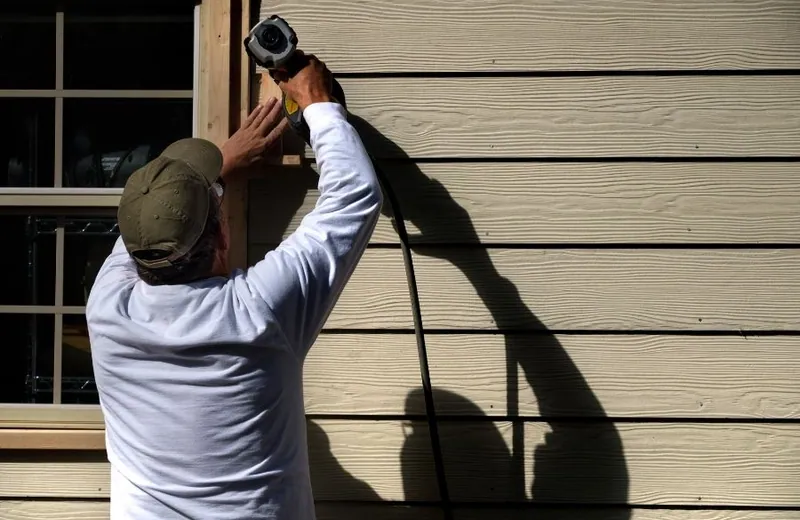
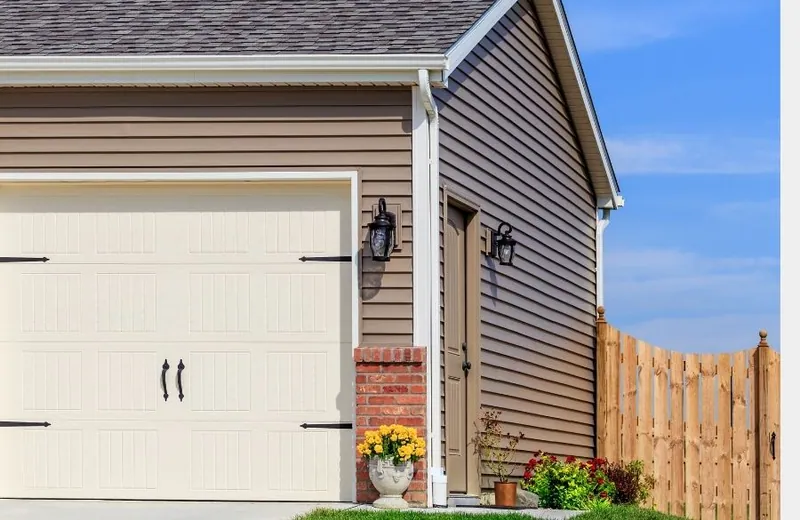
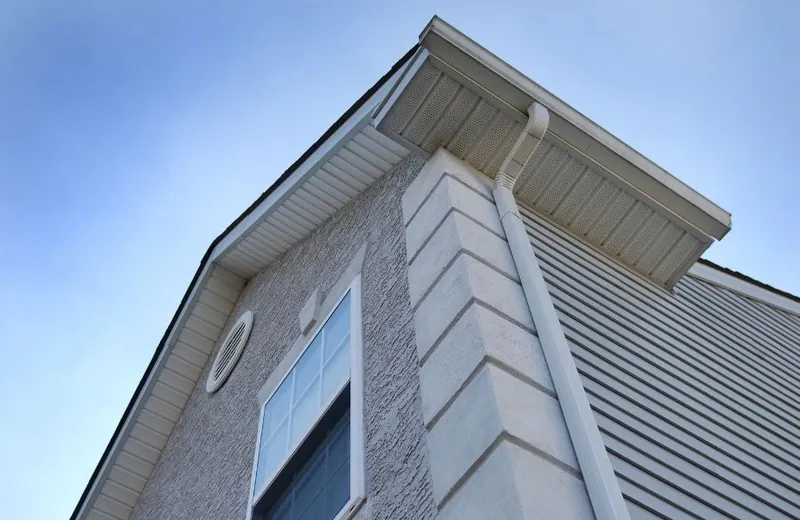
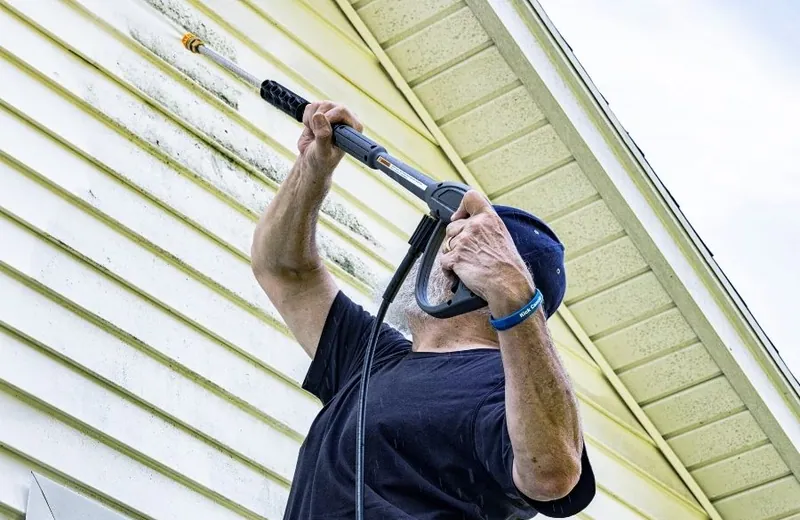
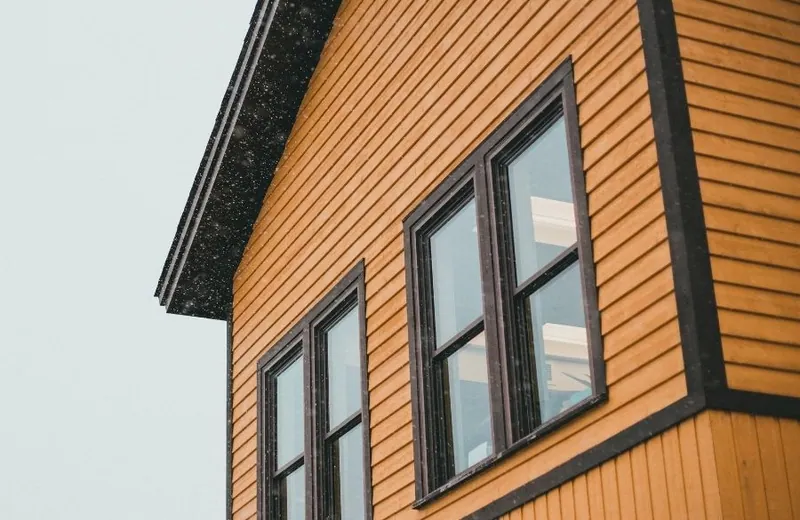
Recent siding Projects in Decatur, GA
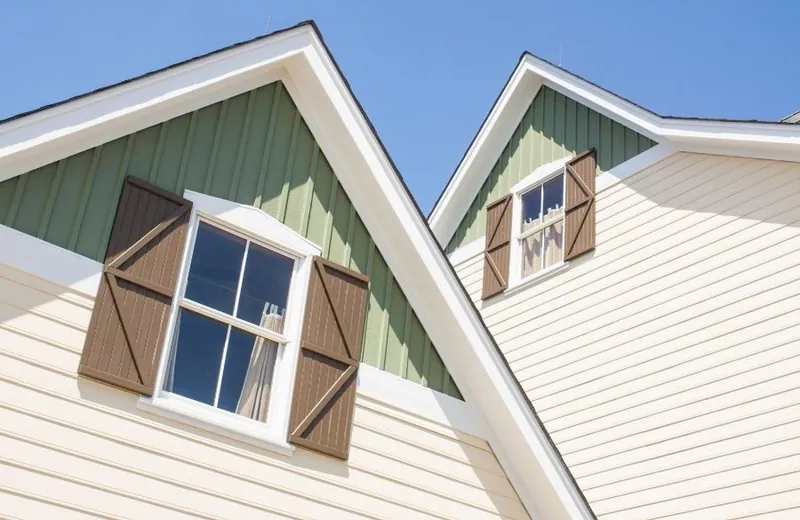
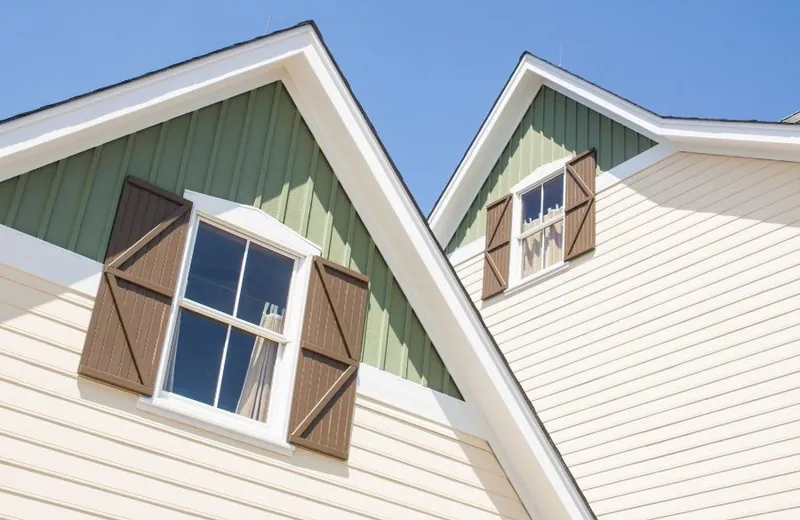
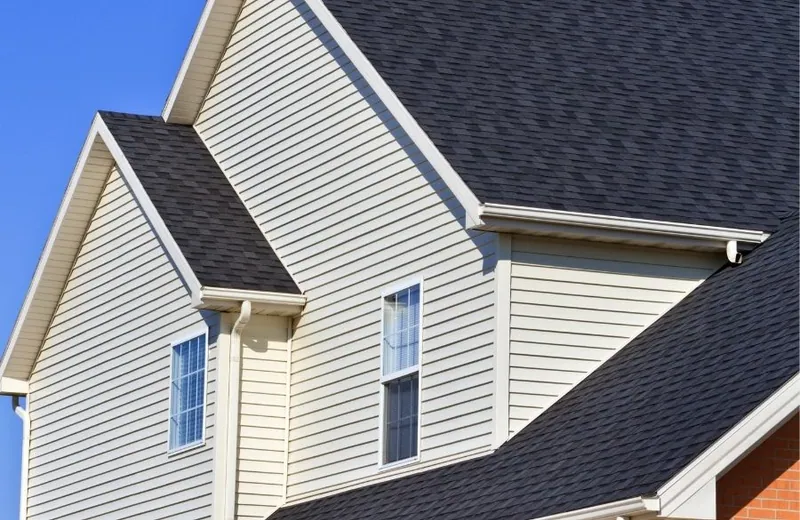
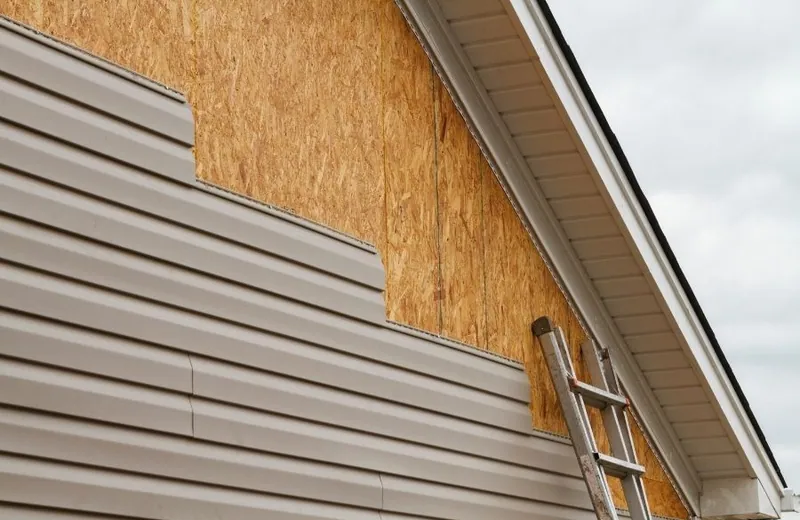
Siding Questions from Decatur Homeowners
How much does new siding cost on a house in Decatur?
Most full-house siding replacements around Decatur fall somewhere between about $15,000 and $50,000. The total depends on size, material, and what's hiding underneath. Vinyl sits at the low end, fiber cement and James Hardie in the middle to upper range, and real cedar or custom historic wood at the top. Hidden rot, asbestos removal, lead-safe work on pre-1978 homes, and difficult access all add cost. Smaller repairs, like a few rotted courses and window trim, often run a few thousand dollars. We give you an itemized written estimate with realistic allowances so you're not caught off guard.
How long does a siding replacement take?
Installation on a typical single-family home takes about one to three weeks. Simple ranch reclads land on the shorter end, and two-story homes with lots of trim, sheathing repair, or asbestos removal take longer. Summer afternoon thunderstorms can pause work for a few hours, and we always dry in open walls before leaving. Planning can take longer than the install. Historic district review in Decatur or Druid Hills, or HOA architectural approval, can add several weeks, so we start that paperwork early.
Do I need a permit or historic approval to replace siding in Decatur?
It depends on where you live and how much work you're doing. Permit requirements vary by jurisdiction. Like-for-like recladding is often treated differently from work that changes sheathing, structure, or windows, so confirm with the City of Decatur or DeKalb County building department. In Decatur's local historic districts (MAK, Ponce de Leon Court, South Candler/Agnes Scott, and Clairemont Avenue), material changes need a Certificate of Appropriateness. The commission usually prefers wood repair and discourages vinyl. Druid Hills and Avondale Estates have their own design review processes. We'll help you understand what applies to your house.
Should I repair my original wood siding or replace it?
If most of the boards are sound, repair usually wins. Old-growth heart pine and cypress are denser and more rot-resistant than most new lumber, and historic commissions strongly favor keeping them. Rot tends to concentrate on lower courses, sills, and window aprons, where we can replace boards with matching profiles. Replacement makes sense when rot is widespread, when siding was covered for decades and trapped moisture, or when you're outside a historic district and want low-maintenance fiber cement. We'll probe the walls and show you what we find before recommending either path.
Is fiber cement or vinyl better for Decatur's climate?
For most Decatur homes, fiber cement is the stronger long-term choice. It doesn't rot, termites won't eat it, it handles humidity, and it holds up better to hail and falling debris than older vinyl, which can turn brittle in cold snaps. Dark vinyl can also warp on hot south and west walls, especially where low-E windows reflect sunlight onto it. Vinyl still has a place, though. It's affordable, low-maintenance, and practical for rentals and budget-focused projects outside historic districts. We'll lay out both options honestly.
What should I do if my siding has asbestos?
Don't sand, drill, pressure wash, or break it. Intact asbestos-cement shingles are relatively stable, but damage can release fibers. You have two main choices. Regulated removal and replacement follows Georgia EPD and federal asbestos rules for removal and disposal. Covering the shingles costs less up front but leaves the material in place, which can affect future renovations and resale. These shingles are common on 1940s–50s homes in Medlock Park, Scottdale, Belvedere Park, and Chamblee. We'll assess the condition and walk you through the cost and practical tradeoffs of each option.
How can I prevent siding rot, mildew, and termite damage?
Start by keeping water away from your walls. Clean gutters at least twice a year under Decatur's tree canopy, and more often during pine pollen and leaf season, so they don't overflow onto the fascia and siding. Keep mulch and soil well below the bottom course, since code requires clearance above grade, and clay splashback feeds rot and termites. Trim shrubs back so shaded walls can dry. Gently wash off algae and mildew each spring. Re-caulk and repaint wood trim before the paint fails. Have your termite protection inspected regularly.
When should I call a siding contractor instead of waiting?
Call right away after storm damage that leaves holes, missing panels, or exposed sheathing, because Decatur's frequent rain will get into the wall within days. Schedule an inspection soon if you notice soft wood near the foundation, swelling or flared hardboard edges, mud tubes, stains below roof lines, peeling paint that keeps coming back, or rotted fascia. These problems get worse fast in our humidity, and a $3,000 repair today can become a $15,000 sheathing job in a couple of years. If you're buying an older home, an inspection before closing is also a good idea.
Serving Decatur, GA & Nearby
Get an Honest Siding Assessment for Your Decatur Home
Whether it's a rotted window apron on a 1920s bungalow or a full Masonite replacement, you deserve straight answers and a price you can trust. Let's look at what's really behind your walls.
- ✓A thorough inspection with moisture probing and photo documentation
- ✓Honest repair-versus-replace recommendations
- ✓Clear, itemized written pricing with realistic rot allowances
- ✓Guidance on historic district, HOA, and permit requirements
- ✓A bonded, insured crew that protects your gardens and porch
- ✓Optional exterior painting and gutter replacement to finish the job
- ✓Financing available
⚡ Storm damage? If hail, wind, or a fallen limb has opened up your walls, contact us so we can secure the exterior and document the damage for your insurance claim.
Bonded • Insured